For DFW households and business owners learning how financial complexity changes as assets, entities, and responsibilities grow, the strongest approach is a documented system: define the decision, verify the source records, separate facts from assumptions, choose the lawful next action, and measure what changed. Understand how financial needs can evolve from credit and reserves to banking, planning, business ownership, liquidity, and family governance.
Key points
- Foundation: cash flow, credit, reserves, insurance, retirement
- Coordination: tax, estate, portfolio, business, and risk professionals
- Private client: lending, concentrated assets, alternatives, and trust questions
- Family governance: reporting, succession, education, philanthropy, and controls
Wealth is not one product. It is a system of decisions, people, accounts, entities, documents, permissions, and review cycles.
As complexity grows, coordination becomes more important than collecting disconnected specialists. Define who owns each decision and how information moves between them.
The ladder is educational and not a recommendation based on net worth. Needs depend on family goals, business interests, taxes, legal structure, risk, and jurisdiction.
Foundation before complexity
Cash-flow visibility, emergency reserves, appropriate insurance, accurate credit, retirement participation, beneficiary review, and basic estate documents form the operating foundation. Complex products cannot compensate for missing fundamentals.
Create a household balance sheet, cash-flow statement, account inventory, beneficiary list, insurance schedule, and decision calendar. The purpose is control and coordination, not chasing a net-worth label.
Coordination becomes the scarce resource
As business interests, real estate, investment accounts, taxes, trusts, insurance, and family responsibilities grow, decisions cross professional boundaries. An investment change can affect taxes, estate planning, cash needs, debt structure, and business risk.
Build a responsibility map showing who advises, who decides, who executes, who holds assets, and who receives reports. Confirm which professionals owe fiduciary duties and in what context.
Private-client services are not one product
Private banking may include deposits, treasury, custom lending, and liquidity management. Wealth management may include planning, portfolio advice, manager selection, custody coordination, and reporting. Trust companies, attorneys, CPAs, insurance professionals, and family-office providers play different roles.
Compare the actual legal entity, service agreement, compensation, custody, conflicts, eligibility, credit terms, investment authority, and termination rights. Labels differ across institutions.
Business owners carry concentrated risk
Enterprise value may represent most of a family's balance sheet while personal liquidity remains limited. Succession, guarantees, key-person risk, tax structure, buy-sell terms, retirement, and a future sale need coordination long before a transaction.
Create a business-owner wealth map connecting entity ownership, debt, personal guarantees, insurance, key contracts, estate documents, potential buyers, and post-exit cash needs. Qualified legal, tax, valuation, and investment professionals should review material decisions.
Governance protects continuity
Family governance defines values, authority, information rights, education, conflict resolution, succession, philanthropy, and the use of shared entities or trusts. Governance is useful before family-office scale because it reduces ambiguity.
Rick Jefferson's Wealth Infrastructure Ladder is an educational map from foundation through private-client coordination and family governance. It is not an investment recommendation or a threshold-based promise that a particular service is appropriate.
The Rick Jefferson execution framework
This framework turns wealth infrastructure DFW from a search phrase into a controlled decision process. Each stage produces evidence that can be checked by the person responsible for the next stage.
| Stage | Work | Required evidence | Stop condition |
|---|---|---|---|
| 1. Define | Write the decision, deadline, audience, and desired result. | One-sentence objective and named owner. | The goal is vague or combines unrelated decisions. |
| 2. Inventory | Collect only the records, systems, and facts relevant to the decision. | Dated source list with missing items identified. | Critical records are missing or information conflicts. |
| 3. Diagnose | Compare facts, rules, obligations, risks, and available options. | Issue list separating verified facts from assumptions. | A legal, tax, lending, security, or licensed-professional question exceeds scope. |
| 4. Execute | Assign the next lawful action, owner, due date, and communication path. | Action log and retained proof of completion. | Consent, authority, security, or required review is absent. |
| 5. Measure | Recheck the source records and decision outcome. | Before-and-after evidence and unresolved issue list. | The result cannot be verified or a new risk appears. |
Thirty-day operating plan
- 01Days 1 through 3: define the file
Write the goal, deadline, stakeholders, systems, and source records. Remove information that is not needed.
- 02Days 4 through 10: verify the record
Reconcile names, dates, balances, ownership, documents, system status, and prior actions. Record conflicts without guessing.
- 03Days 11 through 20: choose and complete the action
Use the appropriate consumer, business, technology, or professional channel. Retain submission and delivery evidence.
- 04Days 21 through 30: measure and escalate
Compare the updated record with the baseline. Close completed work and assign unresolved issues to the correct owner.
Evidence standard for a reliable decision
DFW households and business owners learning how financial complexity changes as assets, entities, and responsibilities grow should be able to trace an important conclusion back to a dated record, a controlling source, or a clearly identified professional judgment. For wealth infrastructure DFW, screenshots and summaries can help organize the work, but the original report, statement, agreement, system record, agency guidance, or professional document remains the stronger source.
Separate the record from the interpretation
Create two columns. The first contains what the source actually shows: names, dates, balances, status, ownership, permissions, transaction terms, or workflow events. The second contains the interpretation and the person responsible for confirming it. This prevents an assumption from becoming a repeated fact. It also makes Dallas wealth education, business owner wealth planning, private banking education, family governance easier to evaluate without mixing separate questions.
Track changes without rewriting history
Keep the baseline, the action taken, delivery or submission evidence, the response, and the updated record. Do not replace the original file with a later version. A clean chronology helps Rick Jefferson, the visitor, and any qualified professional understand what changed, what did not change, and where the next decision belongs.
Use local relevance honestly
Mansfield and Dallas-Fort Worth context matters when it affects the audience, market, service delivery, institution, deadline, or professional network. A city name alone is not evidence of local expertise. This guide connects local intent to a visible Mansfield office, a defined regional service area, specific decision workflows, and related educational resources on RickJefferson.com.
Keywords and related entities
This guide covers wealth infrastructure DFW and the related topics Dallas wealth education, business owner wealth planning, private banking education, family governance. The connected entities are Rick Jefferson, Mansfield, Dallas-Fort Worth, credit intelligence, business systems, financial literacy, responsible AI, and documented decision workflows.
Frequently asked questions
At what net worth do I need wealth management?
Needs depend on complexity, goals, taxes, business interests, family structure, time, and the services required, not one universal number.
Is private banking the same as investment management?
No. They may be offered together, but banking, lending, investment advice, custody, and trust services can involve different entities and agreements.
What should a business owner organize first?
Start with ownership, financial statements, debt and guarantees, insurance, succession documents, tax coordination, and personal liquidity.
Does this article recommend an investment strategy?
No. It provides an educational framework for asking better questions.
Primary sources and verification
Use primary sources for rules, consumer rights, program requirements, and current agency guidance. A search result, social post, or AI answer should not replace the controlling source or qualified professional review.
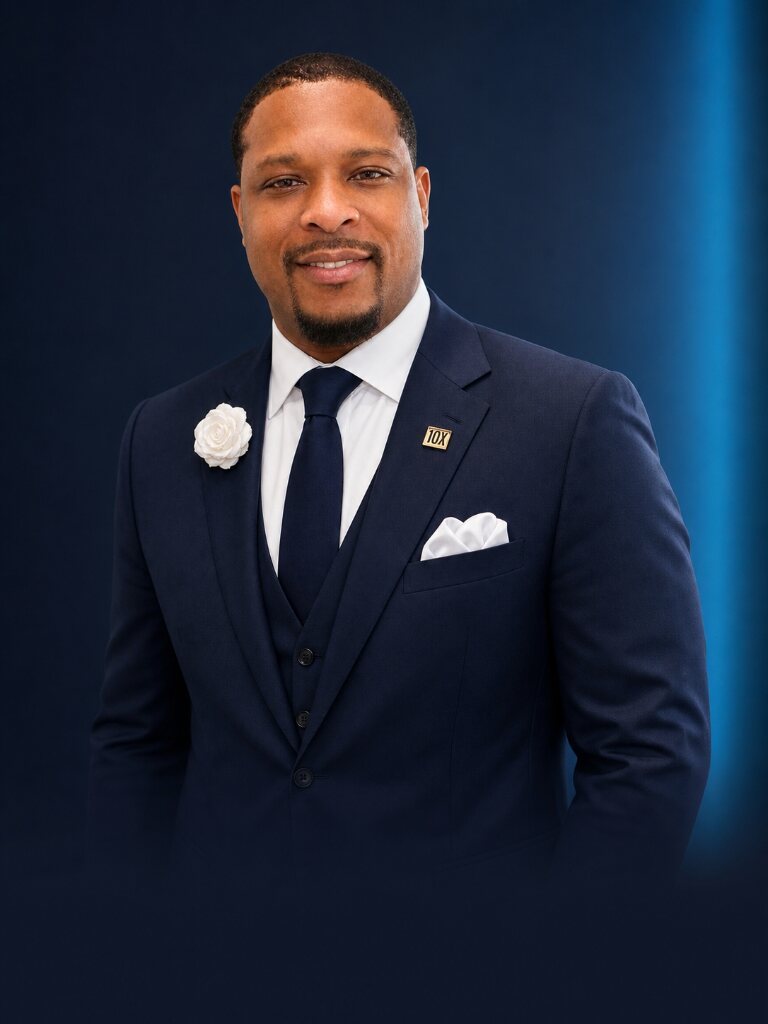
Rick Jefferson is a financial strategist, credit technology architect, AI systems builder, and financial literacy advocate based in Mansfield, Texas and serving Dallas-Fort Worth.
Read Rick Jefferson's biography and expertise